
Join thousands of vetted ecom founders sharing real strategies, real numbers, and the connections that actually move the needle.
Founders attended events
Subscribers to Newsletter
Events yearly
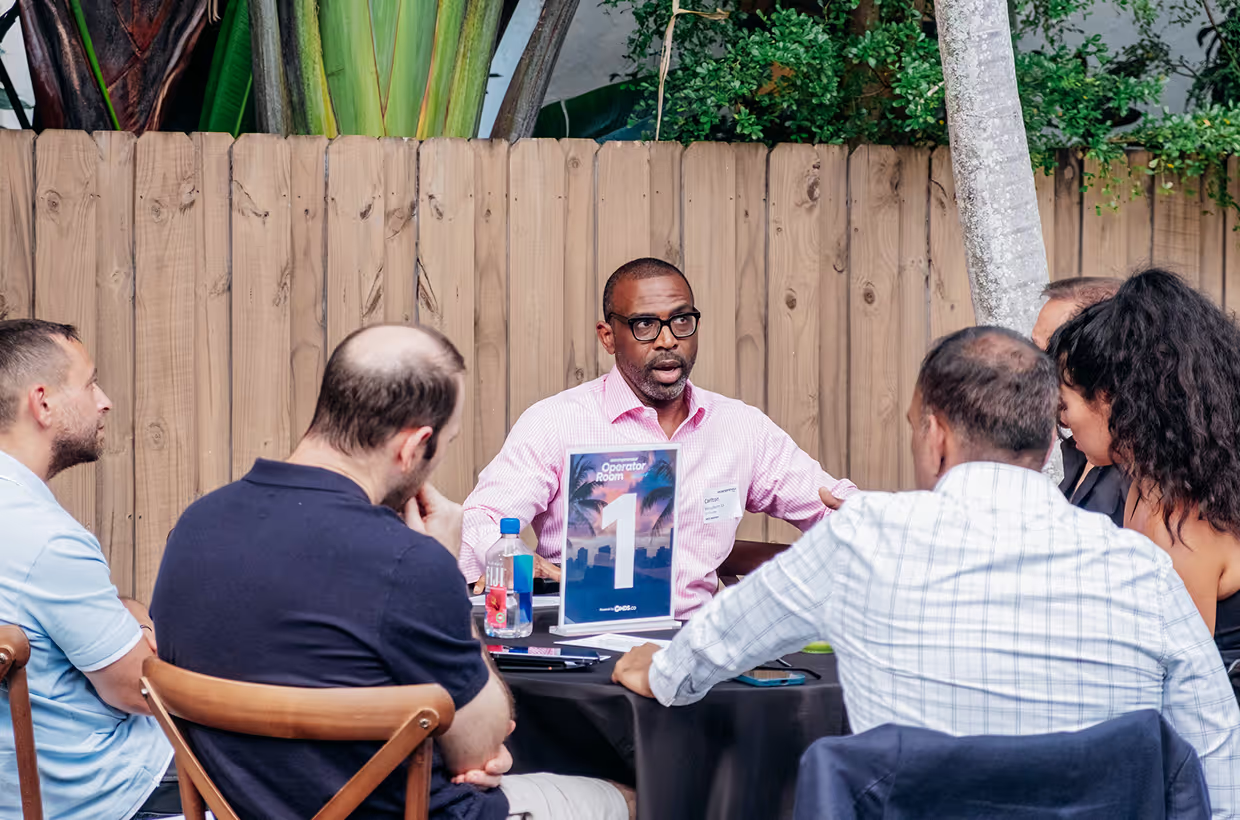
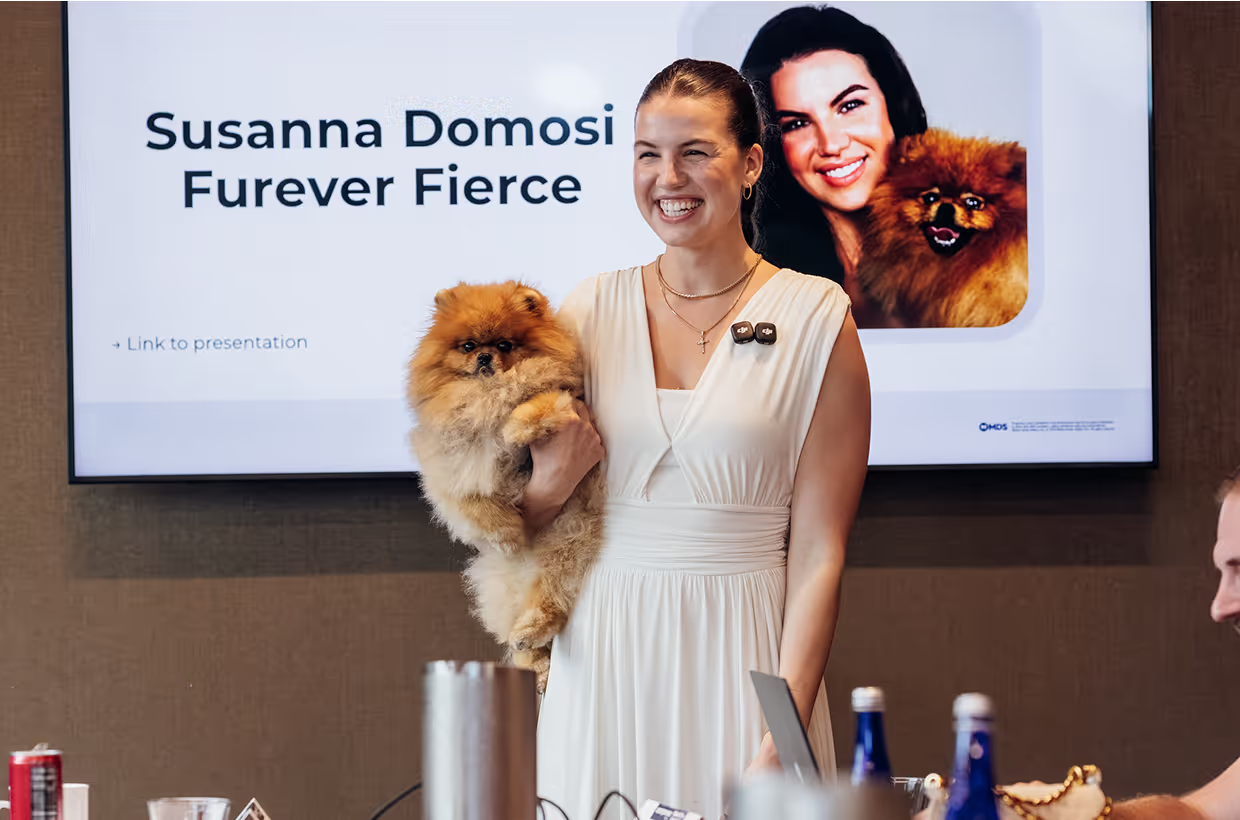
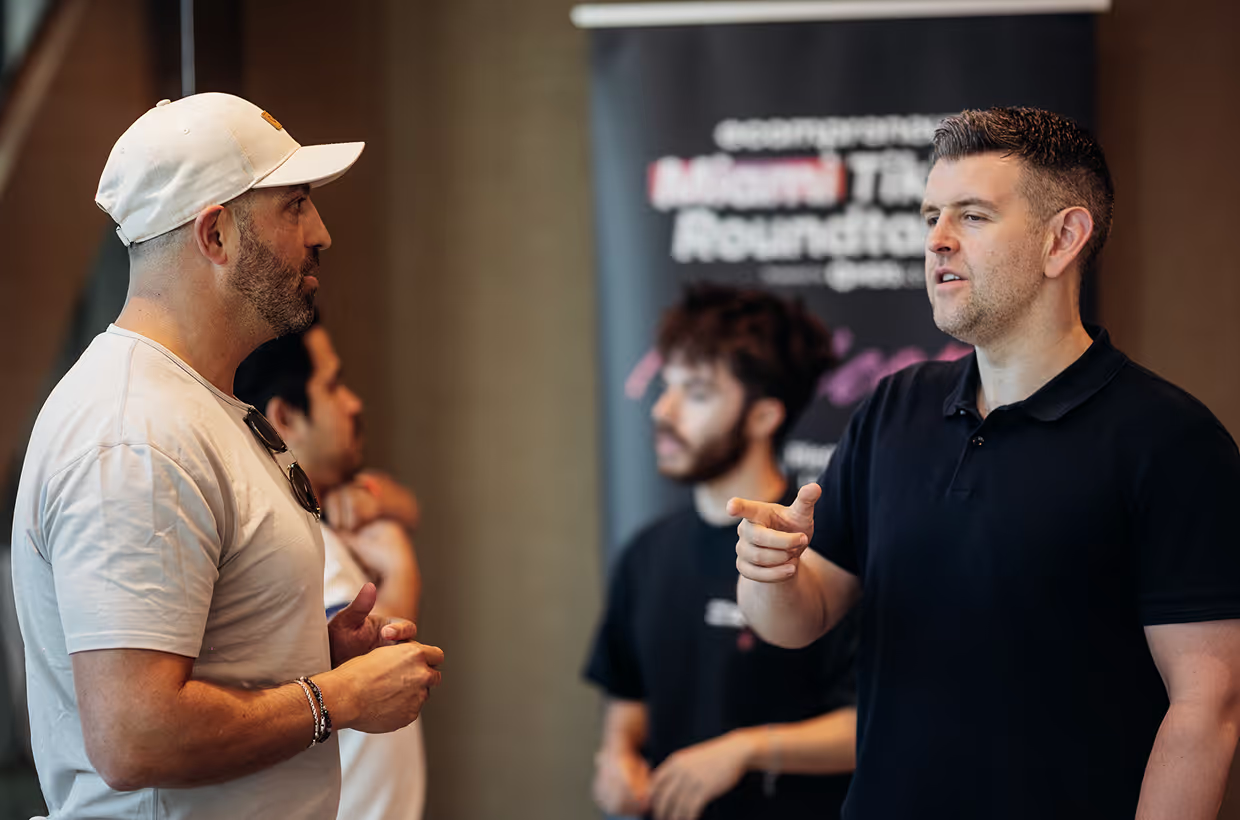
Ecompreneur is backed by Million Dollar Sellers, the most trusted network of high-performing ecom entrepreneurs. You're joining a community with a serious track record.

Skip the guesswork. Ask someone who did it.

Members grow 70% faster than the industry average.

Connect you with worldwide sellers who understand your market.

One conversation can pay for a decade of membership.
Amazon FBA
DTC Channels
TikTok Shop
3PL Operators
SaaS Founders
Amazon FBA
DTC Channels
TikTok Shop
3PL Operators
SaaS Founders
Everything you need from day one. No upsells. No drip. Just access.
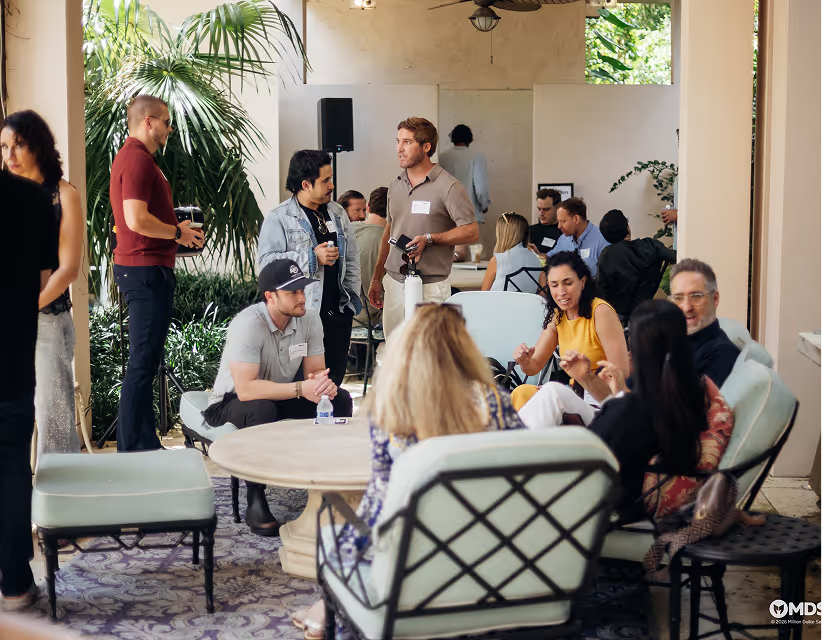
Not all events are included. It's just that they have higher priority access to events, higher priority access to high-demand events. Probably the best wording for that.

Save hundreds on major ecom conferences and summits. Your membership pays for itself before you even walk through the door.
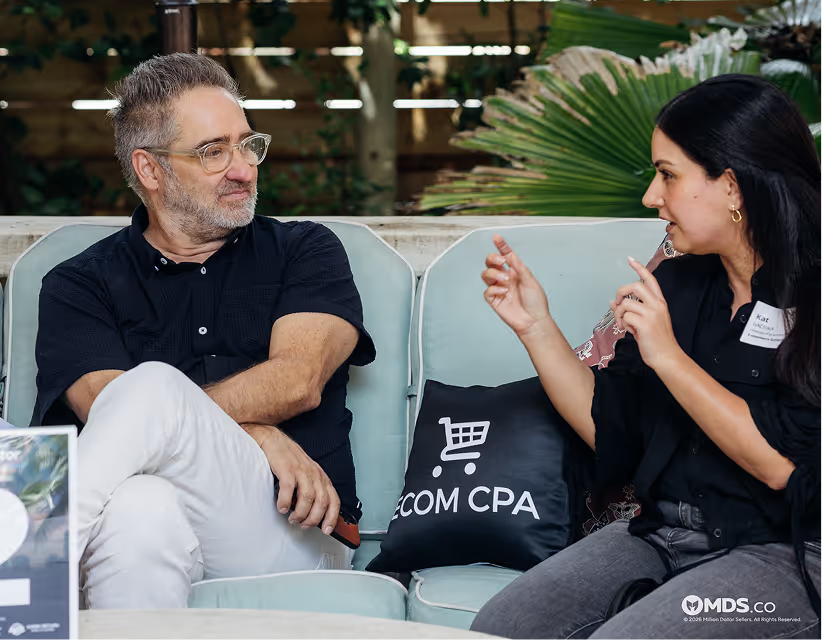
Unlock $20K+ in verified partner deals on the tools you already use — from logistics platforms to ad management software.
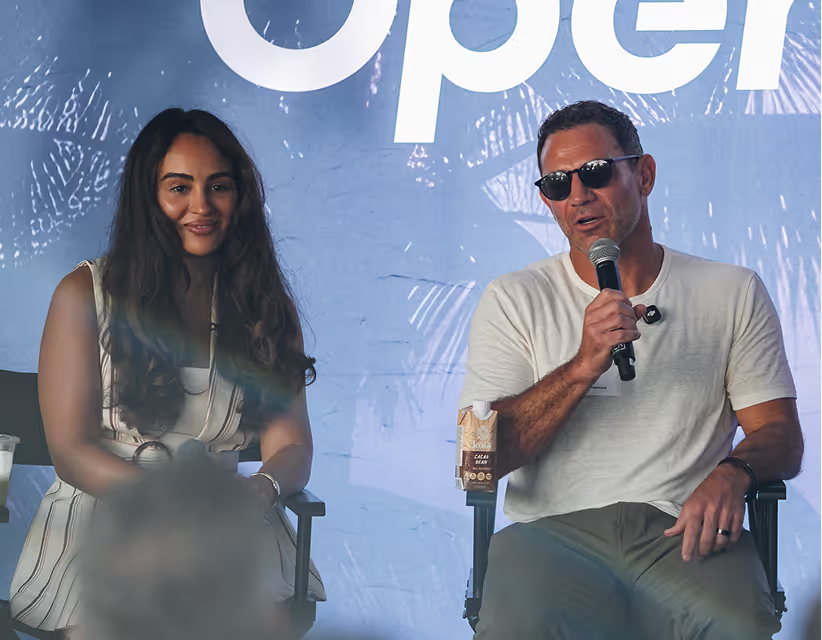
Find introduce the right member, partner,
or expert. No cold outreach. No algorithms. Just warm connections that work.
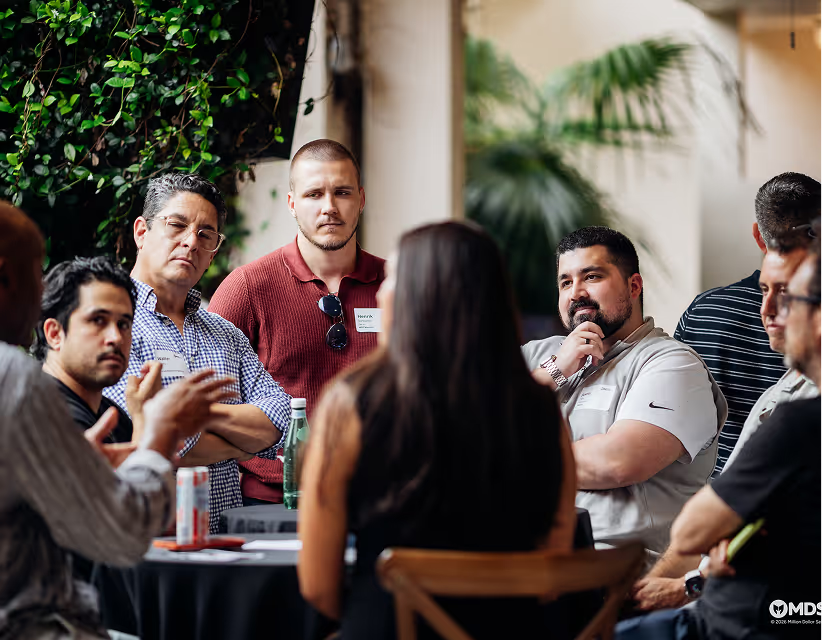
Join a event in your city and meet sellers face-to-face. Regular dinners, happy hours, and working sessions with people who get it.

Actionable strategies, market shifts, and seller intel delivered every month. Written by operators, for operators — no filler, no fluff.
Members get priority access to high-demand events and exclusive founder socials.
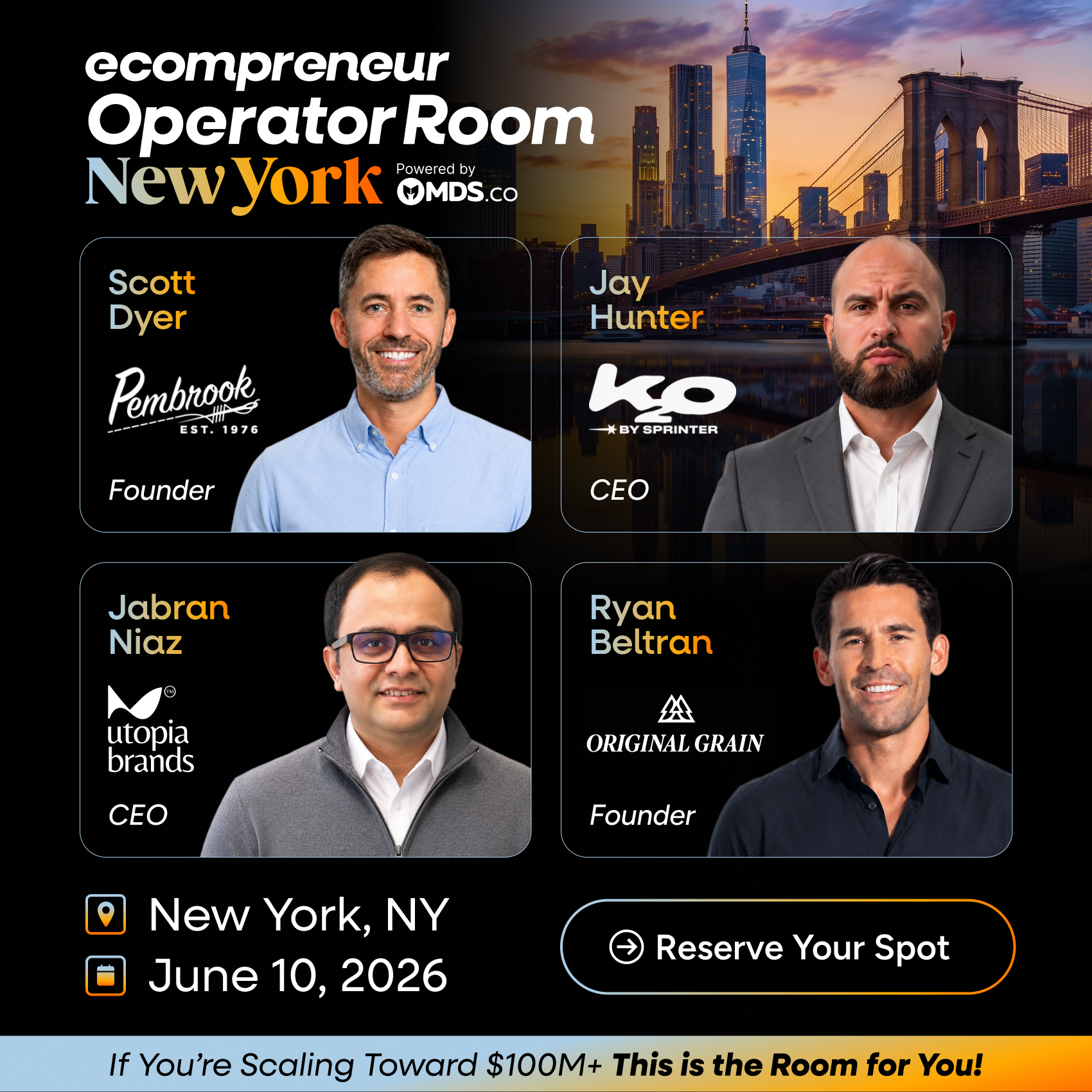

Manhattan Penthouse, New York, US

112 W 18th St apt 3b, New York, US
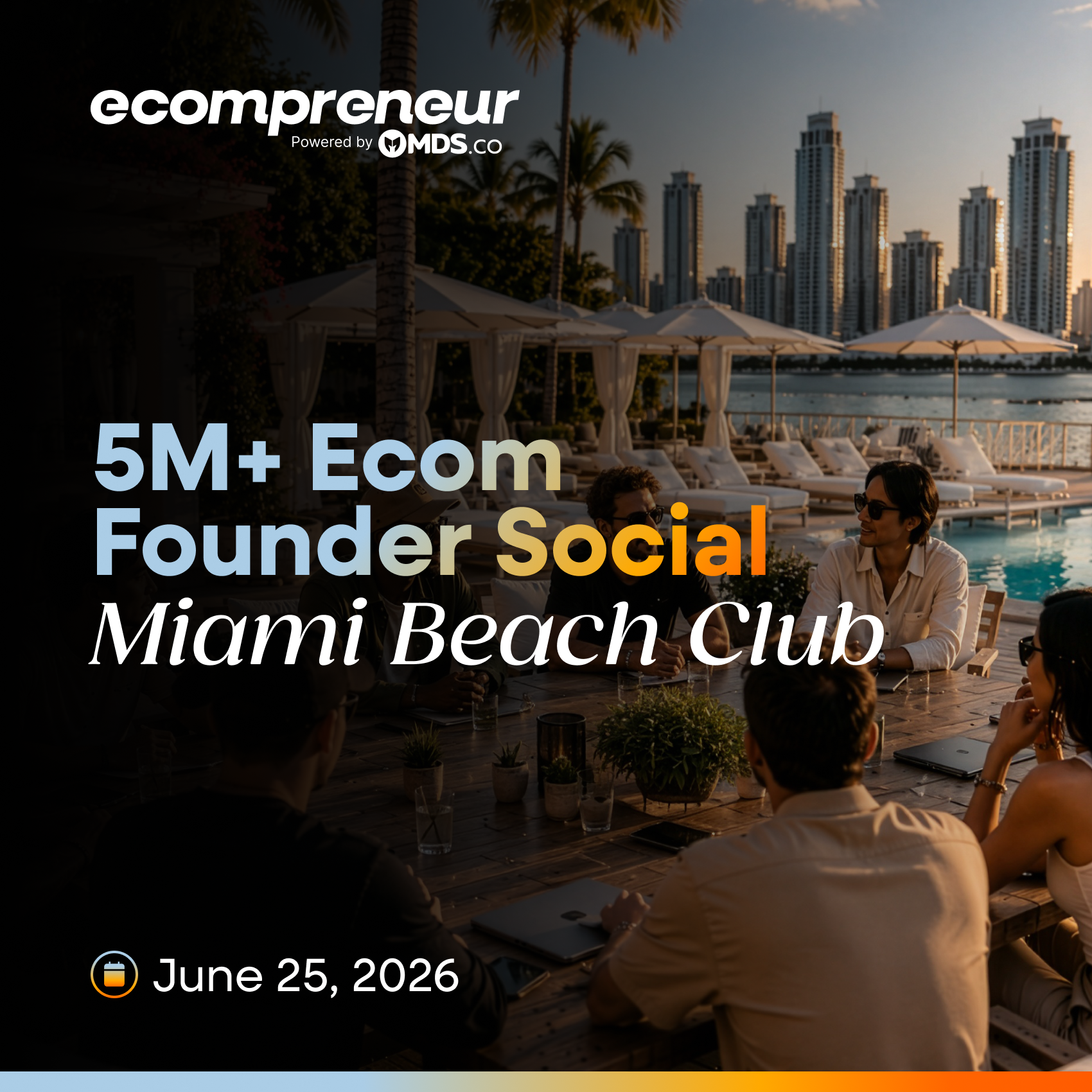
1 Hotel South Beach, Miami Beach, US

Singapore, SG
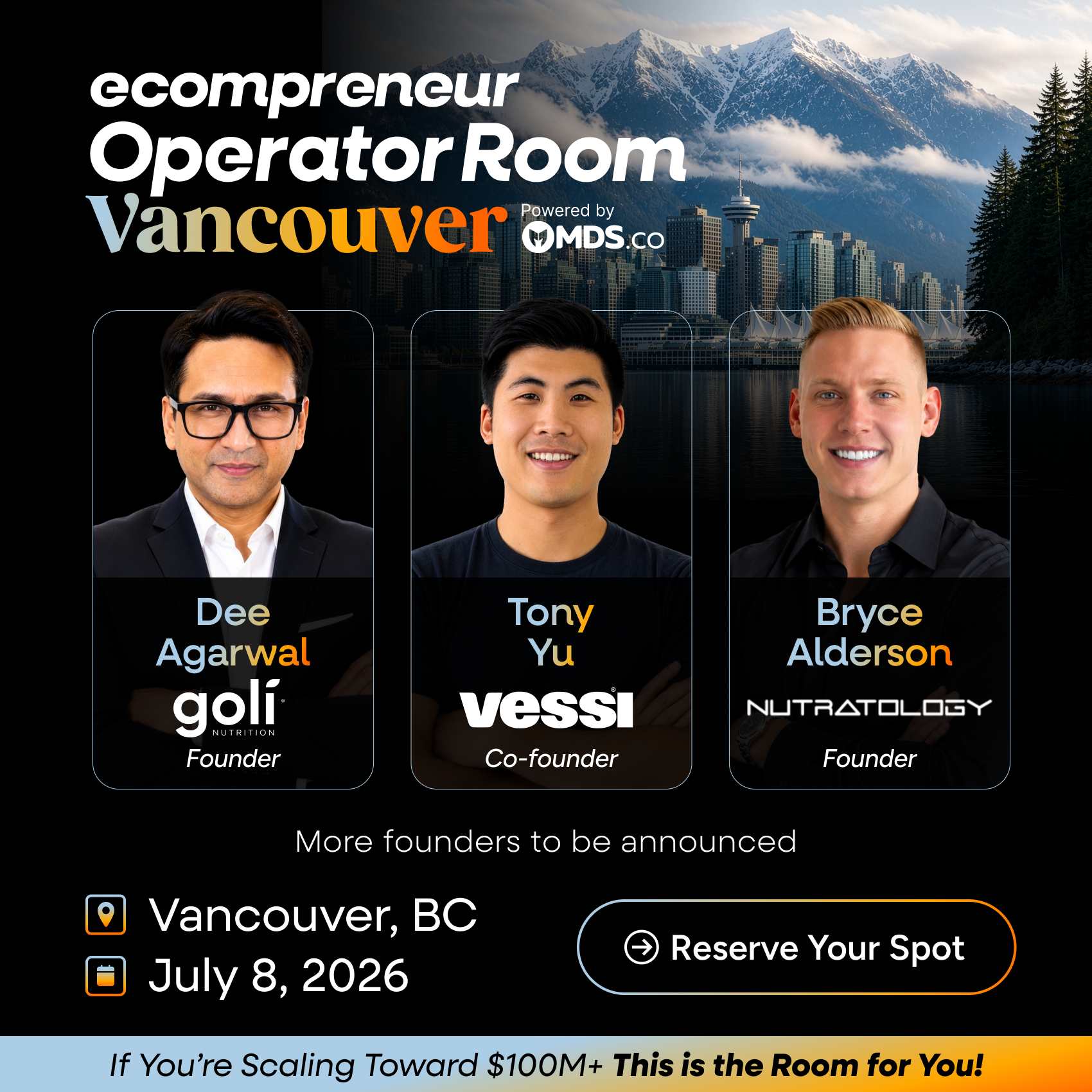
Terminal City Club, Vancouver, CA
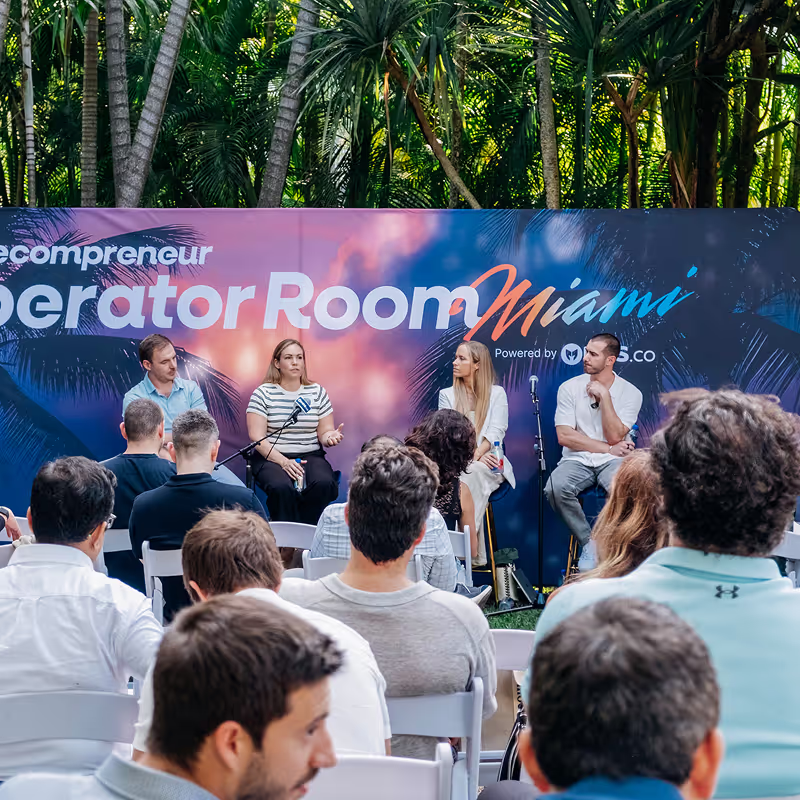
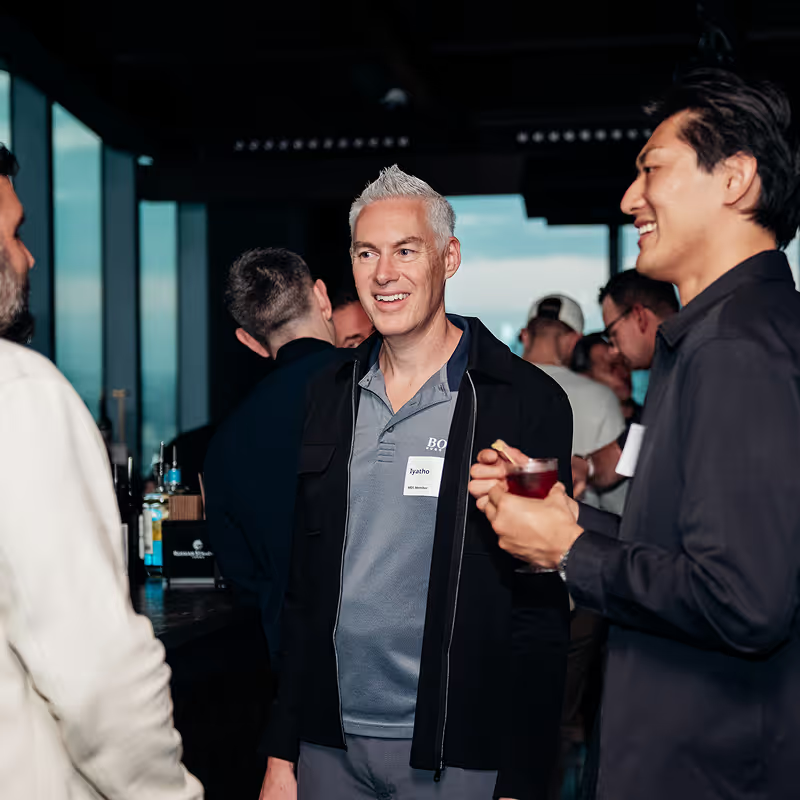
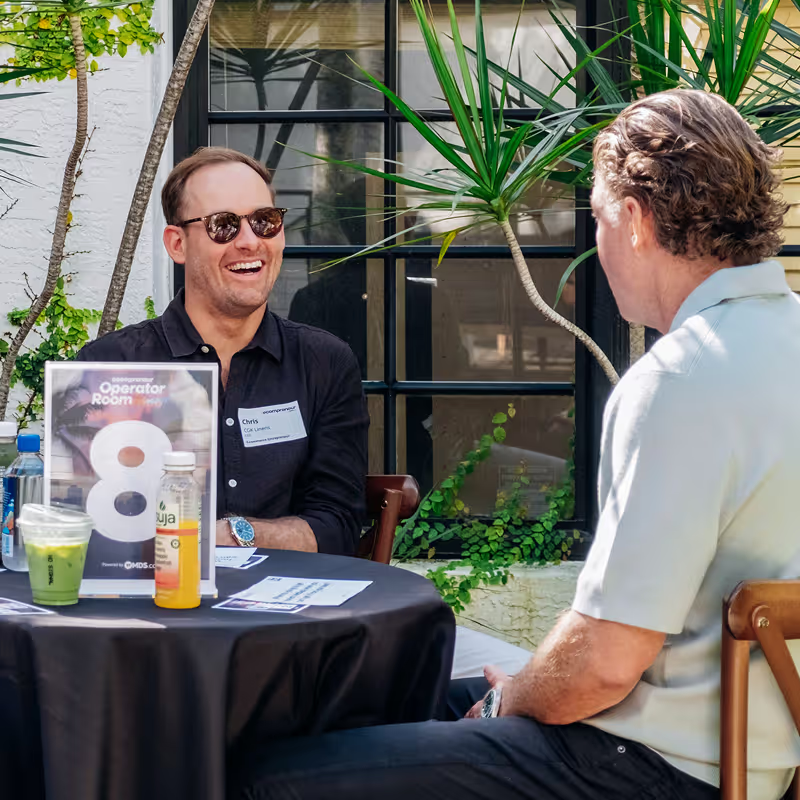
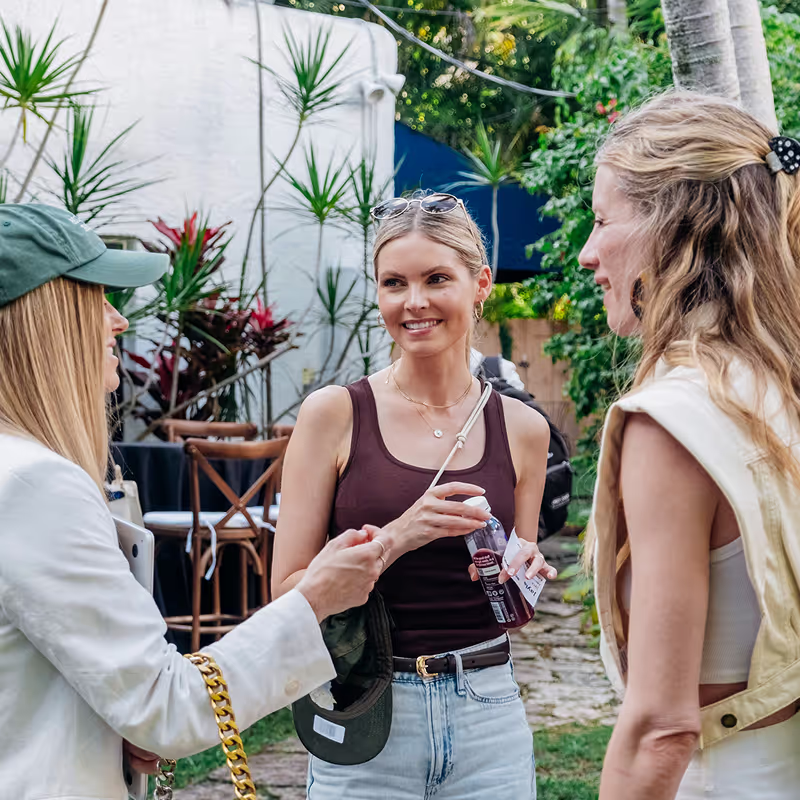
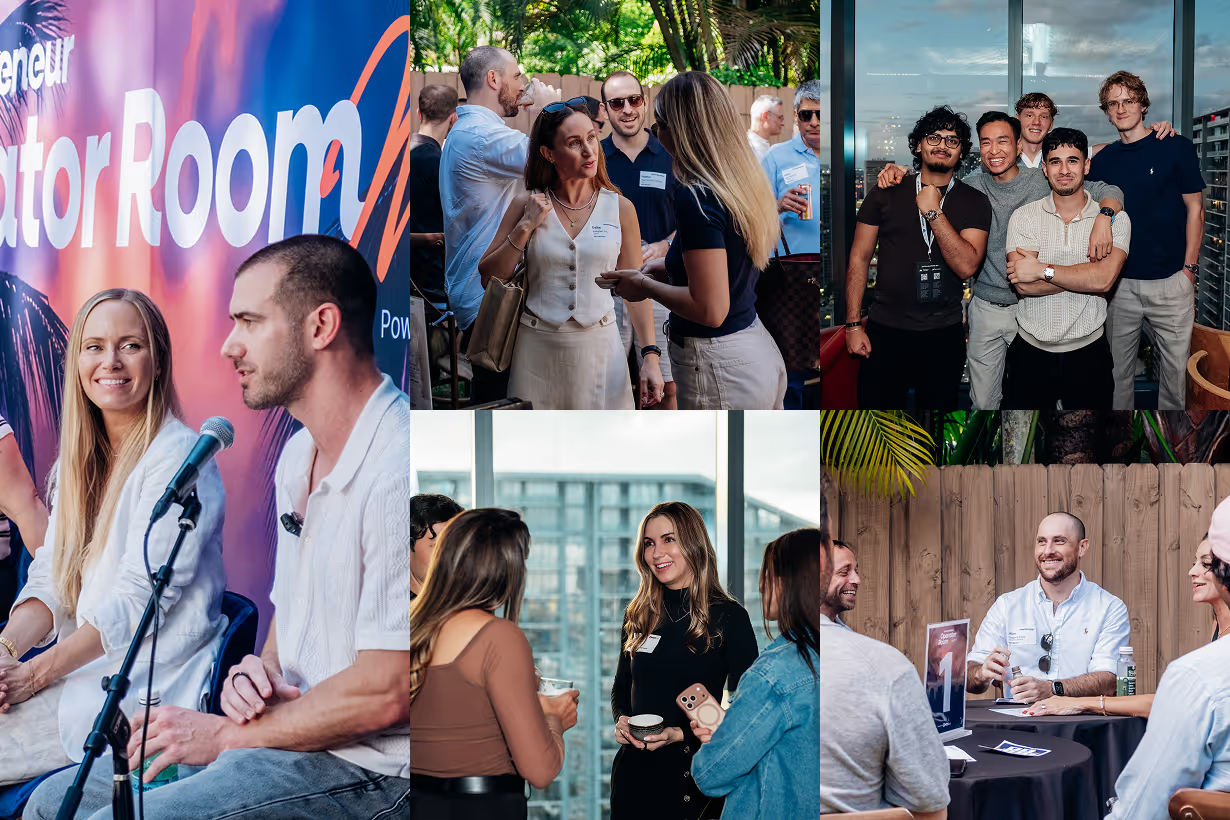
Meet the people behind the fastest-growing ecommerce brands on the planet — gathering in cities across the US and beyond, all powered by MDS. This isn't a Slack channel. It's a movement.











Founder, JoySpring
"I walked into my first Ecompreneur event doing $2M. Twelve months later, I crossed $6M — and I can trace at least three of those wins directly back to conversations in that room."

Co-Founder & CEO, TRTL
"The software savings alone covered my membership in the first month. Everything after that — the connections, the events, the intros — has been pure upside."

Founder & CEO, Coldest
"I've been in a dozen ecom communities. This is the only one where people actually share what's working — with receipts."

Founder, Beauty by Earth
"Ecompreneur introduced me to my 3PL, my CFO, and my best-performing ad agency. You can't put a price on the right room."

Co-Founder & CEO, Koia
"The local events in Miami alone is worth the membership. Monthly dinners with sellers doing $5M–$50M — and everyone's an open book."

Founder & CEO, Bite
"I used to spend weeks researching what other sellers figure out over a single dinner at an Ecompreneur event."
Who is Ecompreneur for?
Ecompreneur is for ecommerce founders and operators at any stage — from sellers hitting their first million to brands scaling past eight figures. If you're serious about growth and want to be in the room with people who are actually doing it, this is your community.
How much does membership cost?
Membership details and pricing are shared during the onboarding process. We keep it straightforward — no hidden fees, no long-term contracts.
What kind of events are included?
Members get priority access to founder socials, local meetups, masterminds, and industry happy hours in 20+ cities. Some premium multi-day events may require a separate ticket, but members always get discounted rates and first access.
I'm not in the US. Can I still benefit?
Absolutely. Ecompreneur has members and events across five continents. The online community, monthly newsletter, software deals, and curated connections work no matter where you're based.
What if I join and it's not for me?
We're confident in the value — but we also respect your time. Reach out to our team and we'll make it right. No hard feelings, no runaround.
How is this different from free Facebook groups or forums?
In free communities, you're sifting through noise from beginners, affiliates, and people selling courses. Ecompreneur members are vetted operators who share real strategies, real numbers, and real connections. The signal-to-noise ratio is why people stay.

Uniting operators, founders, and leaders across the globe. Powered by MDS.